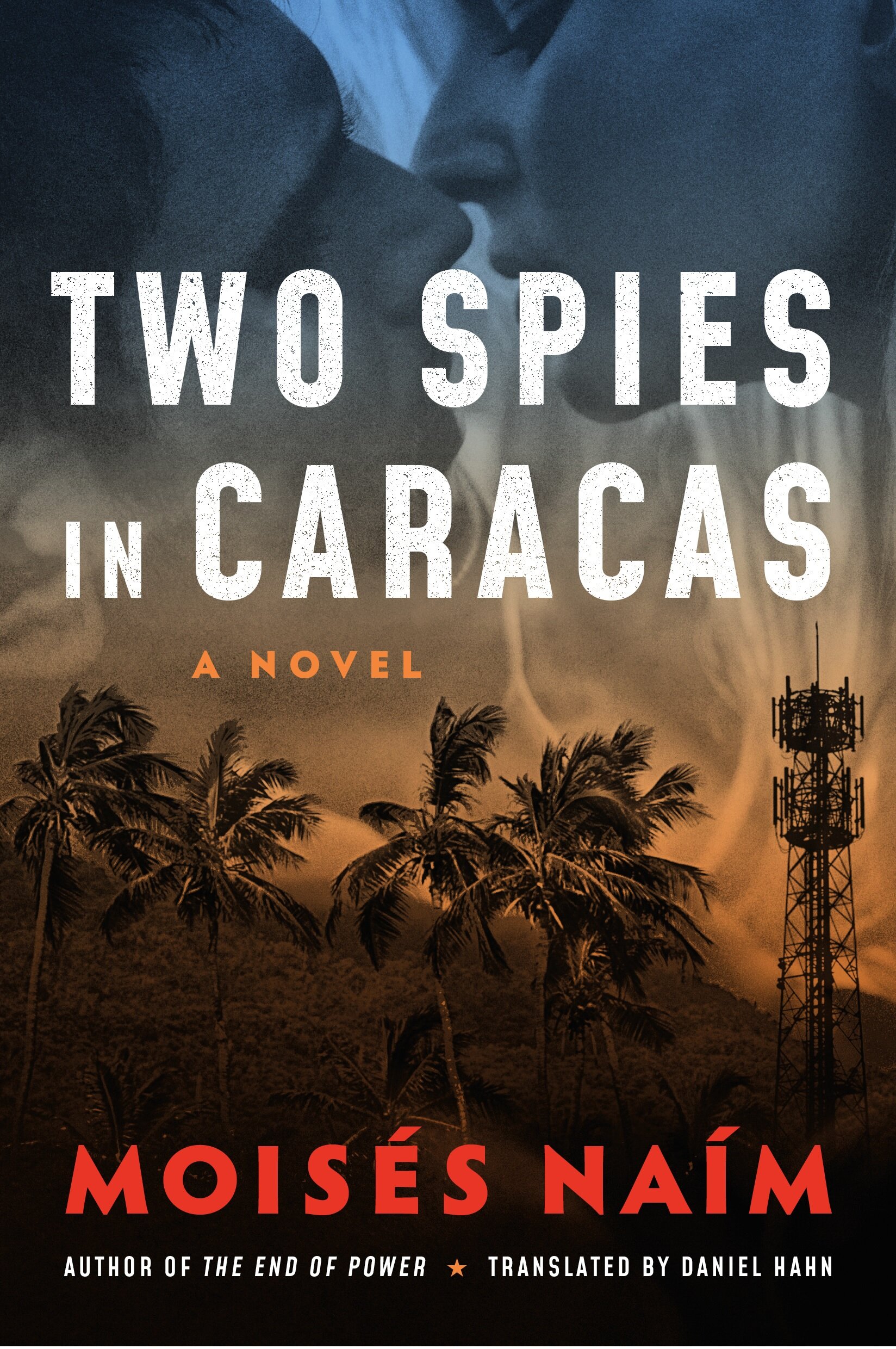
Manuel Roig-Franzia / Washington Post
One surreal night in 2010, a team of forensic specialists under orders from Venezuela’s mercurial president, Hugo Chávez, lifted a coffin lid on live television.
Inside lay the remains of Simón Bolívar, the famed military leader and political icon who had freed vast stretches of South America from Spanish rule in the early 1800s. Chávez, who idolized the man known as El Libertador — The Liberator — had become fixated on proving a conspiracy theory that Bolívar had not died of tuberculosis, as had been widely accepted by historians, but rather had been poisoned by a confederacy of enemies that included Colombian aristocrats, the king of Spain and the president of the United States, Andrew Jackson.
Read more